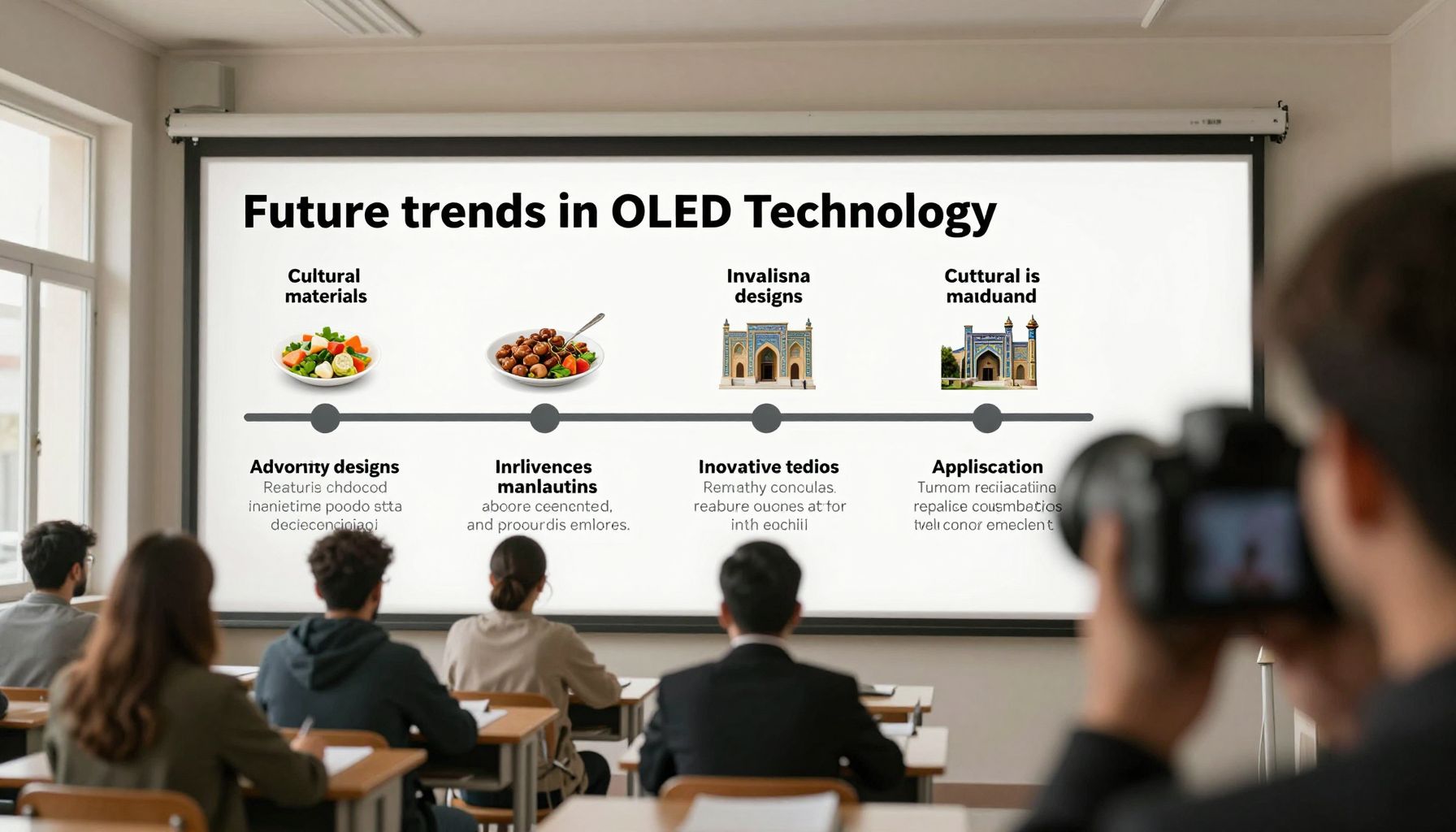
پاورپوینت سیر تحول مواد OLED از نسل اول تا نسل سوم
توضیحات پاورپوینت
پاورپوینت سیر تحول مواد OLED از نسل اول تا نسل سوم شامل 21 اسلاید در قالب فایل PPTX قابل ویرایش تهیه شده و به صورت کامل در اختیار کاربران قرار میگیرد. این پاورپوینت آموزشی گزینهای ایدهآل برای ارائههای کلاسی، پروژههای دانشآموزی و محتوای آموزشی مدارس و دانشگاهها محسوب میشود. طراحی و تولید این پروژه با استفاده از ابزار هوش مصنوعی ساخت پاورپوینت اسلایدساز انجام شده و از ساختاری استاندارد، اسلایدبندی منظم و محتوای کاربردی برخوردار است. شما میتوانید برای ساخت پاورپوینت جدید با هوش مصنوعی از حساب کاربری خود استفاده نمایید یا این پاورپوینت آماده را دانلود کرده و متناسب با نیاز خود ویرایش کنید.
فهرست مطالب
- Introduction to OLED Technology
- The Evolution of OLEDs
- First Generation OLEDs
- Second Generation OLEDs
- Third Generation OLEDs
- Fourth Generation OLEDs
- Future Generation OLEDs
- Materials Used in OLEDs
- Key Performance Metrics
- The Role of Design in OLEDs
- Challenges in OLED Development
- Applications of OLED Technology
- Sustainability in OLED Manufacturing
- Case Study: Major OLED Manufacturers
- Future Trends in OLED Technology
- Conclusion
- Q&A Session
نمونه محتوای برخی از اسلایدها
در ادامه میتوانید برخی از مطالب و تصاویر پاورپوینت سیر تحول مواد OLED از نسل اول تا نسل سوم را به طور مختصر مشاهده کنید و از کیفیت مطالب و تصاویر این پاورپوینت برای ارائه اطمینان حاصل کنید.
Introduction to OLED Technology
Organic light-emitting diodes (OLEDs) represent a significant advancement in display and lighting technologies. They are characterized by their unique properties, such as flexibility, vibrant color reproduction, and energy efficiency. The evolution of OLED technology has transformed from fundamental principles of fluorescence to the development of advanced generations, enhancing performance and applicability. Today, OLEDs are integral to modern applications, including televisions, smartphones, and innovative lighting solutions, showcasing their versatility and importance in contemporary technology.
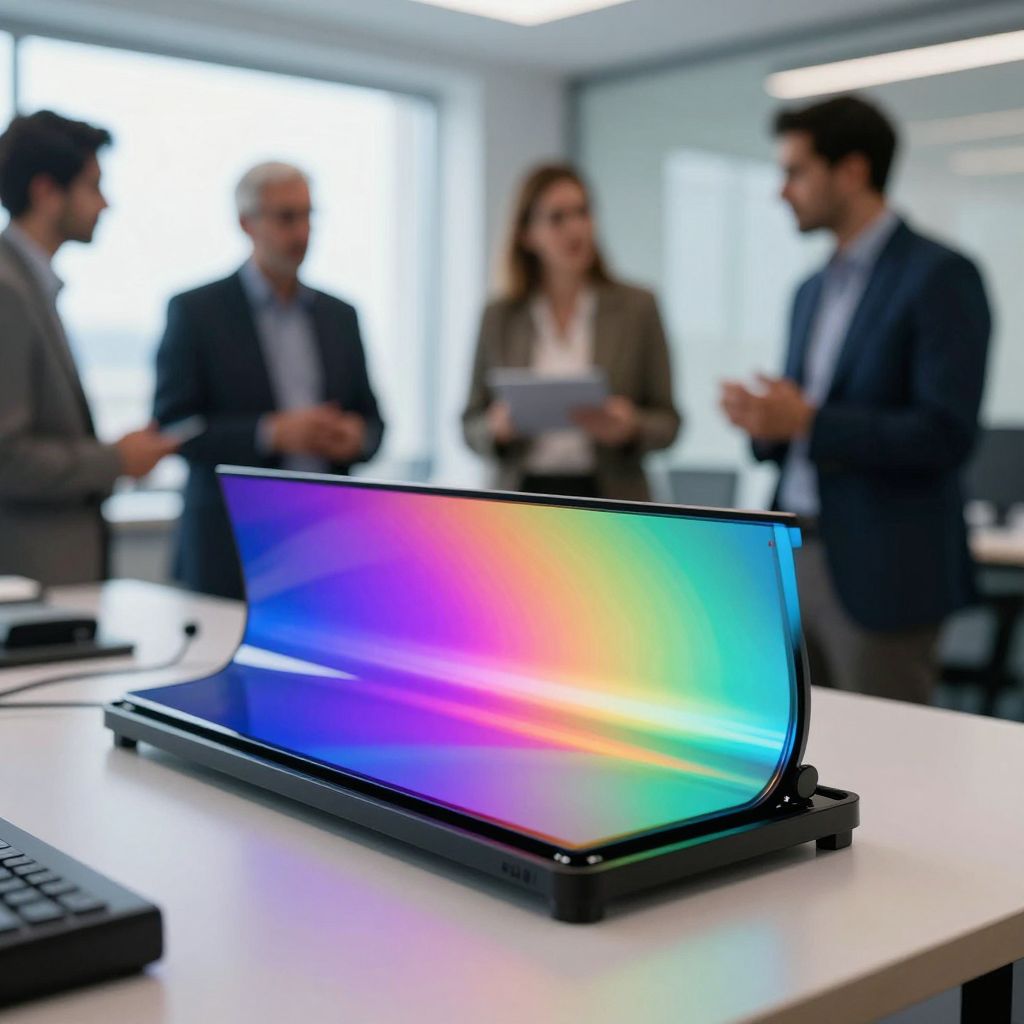
The Evolution of OLEDs
The history of OLED technology traces back to the 1980s, when initial research laid the groundwork for future developments. A pivotal moment occurred with the creation of the first double-layer OLED device, which set the stage for subsequent generational advancements. Each new generation of OLEDs brought about enhancements in design complexity and efficiency, culminating in the sophisticated and high-performance displays we see today. Current innovations continue to advance OLED technology, further improving display quality and expanding its applications in various fields.
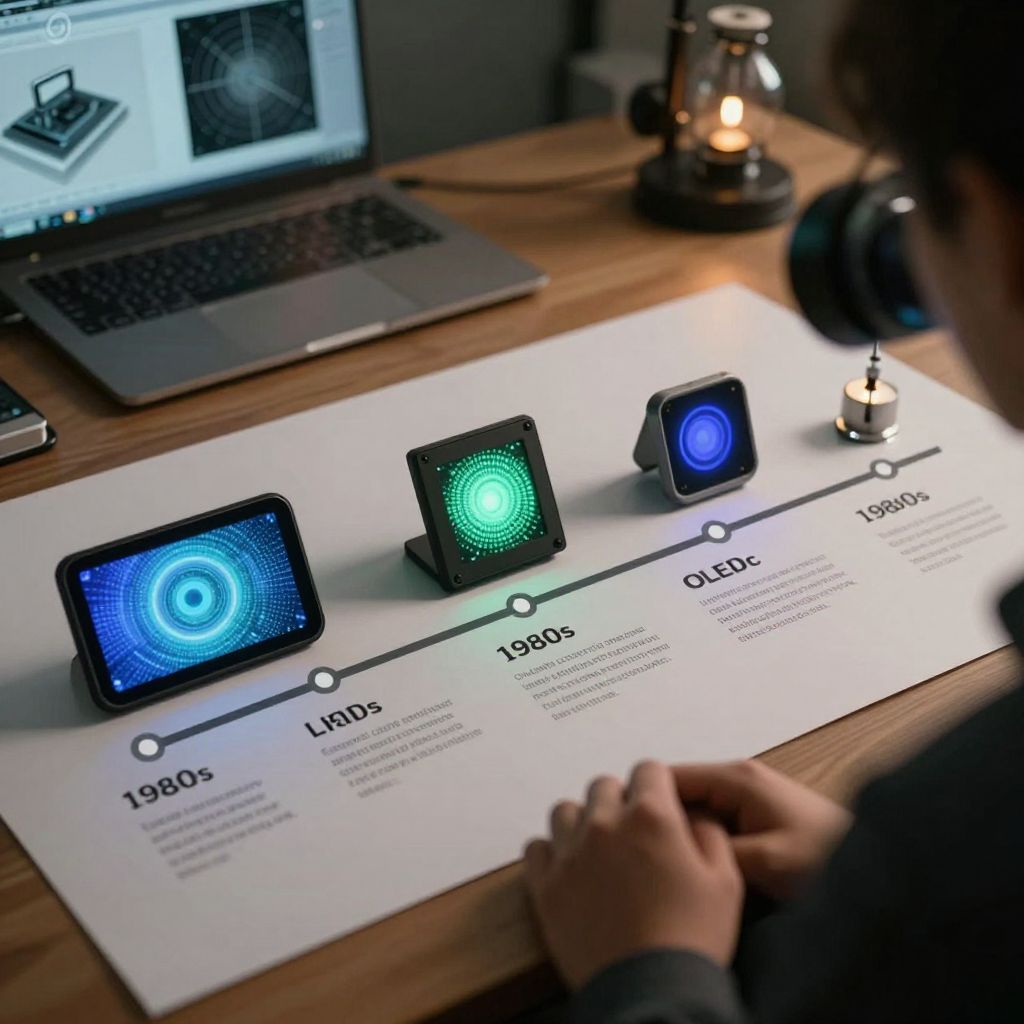
First Generation OLEDs
First-generation OLEDs were characterized by their use of fluorescence-based emitters, which enabled the devices to generate light through fluorescence. However, these early OLEDs faced significant limitations, including low efficiency and restricted emission colors, which hindered their widespread adoption in commercial applications. Despite these drawbacks, the historical significance of first-generation OLEDs cannot be understated, as they paved the way for future innovations and improvements in OLED technology, ultimately leading to more efficient and versatile devices.
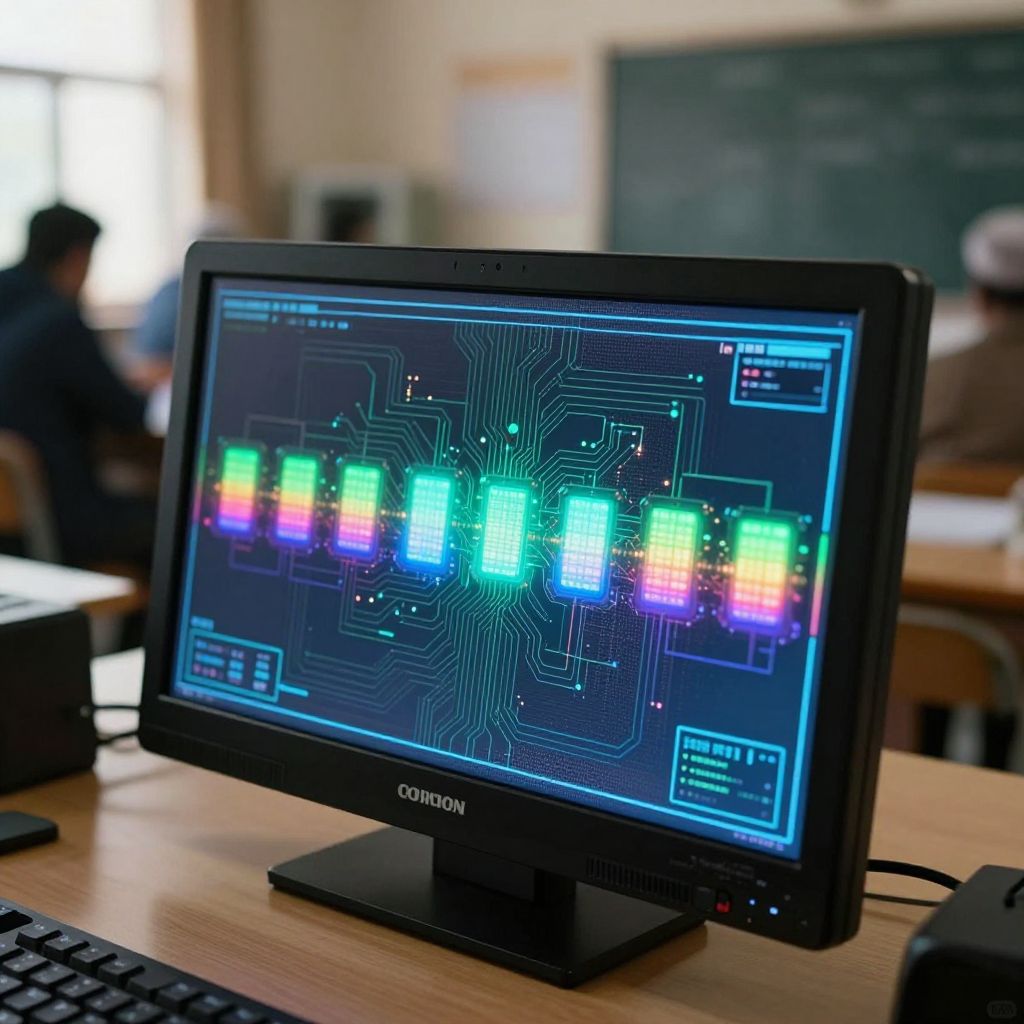
Third Generation OLEDs
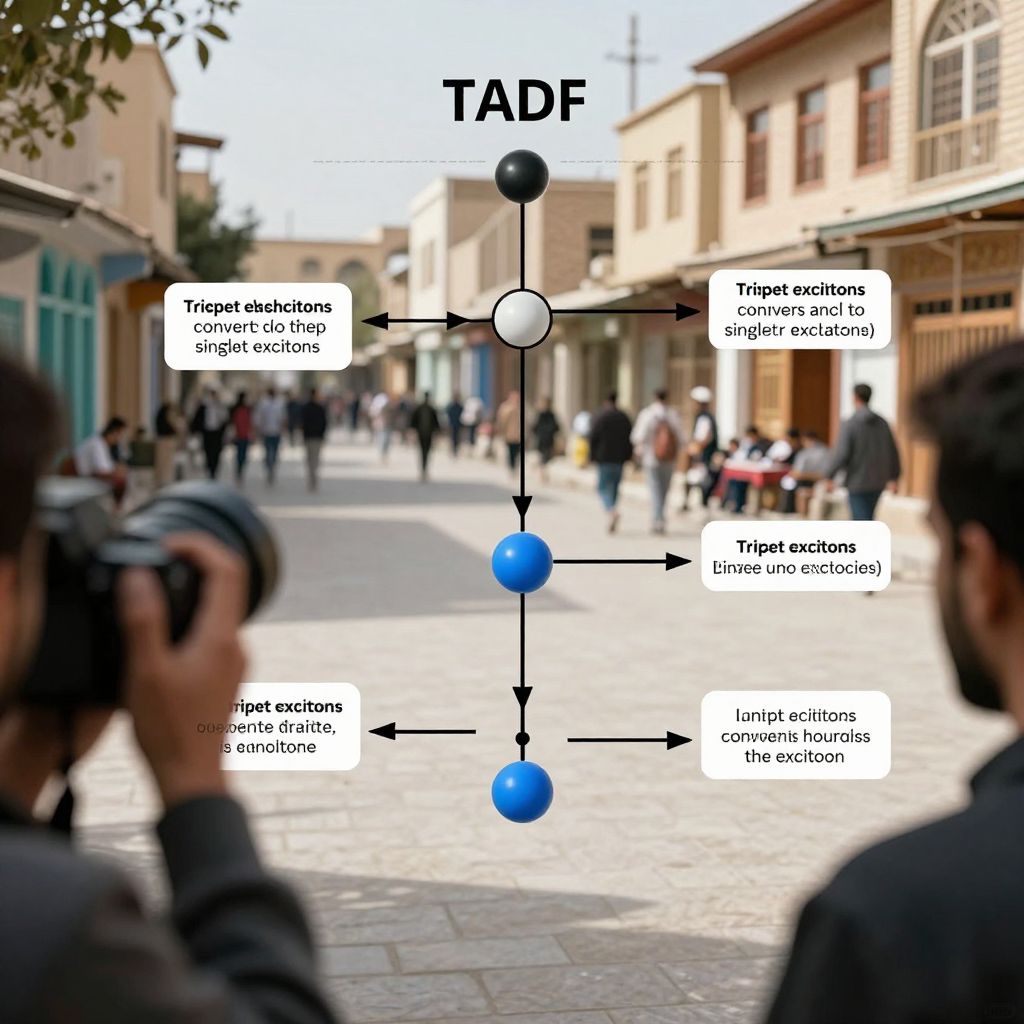
Third-generation OLEDs represent a significant leap forward in display technology, primarily due to the integration of thermally activated delayed fluorescence (TADF) materials. TADF operates by allowing the conversion of triplet excitons, which are typically non-emissive, into singlet excitons that can emit light. This mechanism not only enhances the efficiency of OLED devices but also improves color purity, leading to more vibrant displays. Various TADF emitters have been developed, each with unique properties that contribute to the overall performance of OLEDs.
Applications of OLED Technology
OLED technology has revolutionized various industries with its applications ranging from displays and lighting to the burgeoning field of wearable technology. The advantages of OLEDs over traditional technologies include superior color accuracy, enhanced contrast ratios, and the ability to create thinner, more flexible designs, making them ideal for modern applications.

Sustainability in OLED Manufacturing
Discussing the importance of sustainability in OLED production highlights the need for eco-friendly materials and innovative manufacturing processes to reduce environmental impact. As the demand for OLED technology increases, addressing sustainability concerns becomes vital for a greener future.
برای مشاهده و دانلود کامل پاورپوینت سیر تحول مواد OLED از نسل اول تا نسل سوم ابتدا بایستی وارد حساب کاربری خود شوید و پاورپوینت را در اسلایدساز باز کنید. در صورت نیاز به تغییرات و ادیت می توانید بر اساس سلیقه پاورپوینت خود را بسازید سپس آن را در نسخه pptx. یا pdf. دانلود نمایید.
برای نمایش و دانلود بایستی در حساب کاربری خود باشید.
نظرات کاربران
تجربه کاربران درباره این محصول را بخوانید یا نظر خودتان را ثبت کنید.
ثبت نظر جدید
دیدگاه کاربران